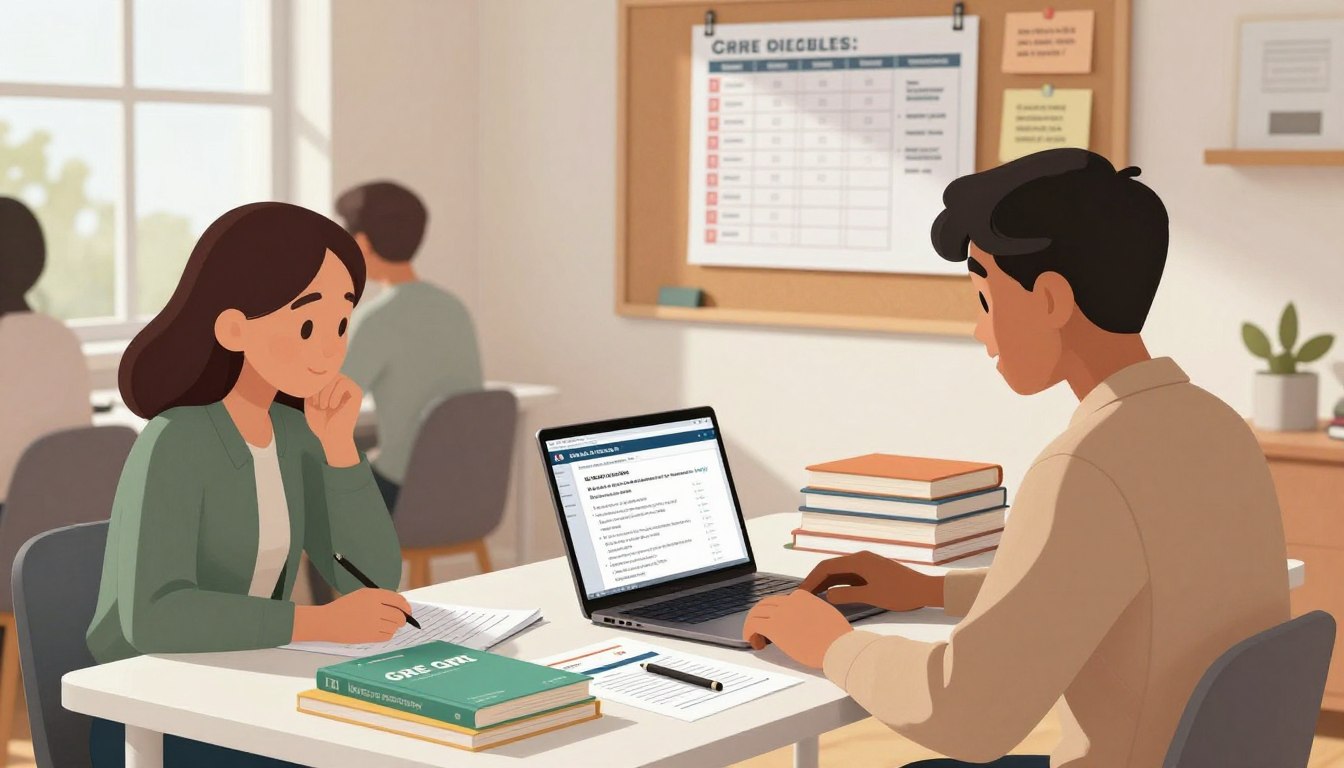
Welcome to your friendly guide for mastering assessments! Whether you’re a student facing finals, a professional pursuing certifications, or someone working toward a license, this resource is designed specifically for you.
Tests appear throughout our lives – from school evaluations to career advancement opportunities. Feeling some nerves before an important assessment is completely normal and something most people experience.
This comprehensive guide walks you through proven strategies that can transform your testing experience. We cover everything from early preparation to final submission moments.
If you want personalized assistance with your preparation journey, our support team is ready to help. Reach out via Telegram: +1(815)824-0640, WhatsApp: +852 4455 3510, or WeChat: Essay-Kathrine.
Learning effective techniques is itself a valuable skill that improves with practice. These methods work across different assessment formats, from multiple-choice questions to practical evaluations.
Key Takeaways
- Assessments are common throughout various life stages and careers
- Feeling nervous before important tests is completely normal
- Effective preparation strategies can transform your testing experience
- These techniques work across multiple assessment formats
- Personalized support is available for individual learning needs
- Mastering test-taking is a skill that improves with practice
- Proper preparation reduces anxiety and boosts confidence
Preparing for Your Exam
Laying the groundwork for a successful assessment begins with smart preparation. Starting your review weeks in advance gives you the time to build a solid foundation.
This early start reduces last-minute stress and allows for deeper understanding of the material.
Setting Up a Productive Study Environment
Your study space is crucial for effective learning. Choose a comfortable spot that helps you concentrate.
This could be a quiet library corner, a peaceful park bench, or a dedicated desk at home. Good lighting is essential to prevent eye strain during long sessions.
Ensure the area is quiet and free from interruptions. A focused environment helps you make the most of your study time.
Minimize digital distractions to maintain concentration. Silence your phone and log out of social media accounts.
This simple step can maximize focus and make your preparation much more efficient.
Gathering Essential Study Materials
Before you begin, collect all necessary resources. Have your textbooks, class notes, and practice tests ready.
Organized materials prevent wasted time searching for information later. Taking detailed notes is a powerful study technique.
It actively engages your brain with the content. Organize your notes by topic and use colors to highlight key concepts.
This creates a personalized reference guide that simplifies review before the test.
Effective Strategies to Exam Take
Transforming your study approach can dramatically improve your test performance. Strategic planning beats last-minute cramming every time. Breaking material into manageable pieces makes learning more effective.
Breaking Down Your Study Schedule
Instead of marathon sessions, try daily study portions. If your test is two weeks away, divide content into 10-14 sections. Review one section each day for consistent progress.
This spaced repetition approach helps your brain process information better. Knowledge moves from short-term to long-term memory. You’ll recall details more easily during the actual assessment.

Utilizing Notes and Flashcards for Better Memory
Your detailed notes become powerful learning tools. Create flashcards for key concepts, definitions, and formulas. This active engagement strengthens memory retention.
Consider both physical cards and digital apps with spaced repetition algorithms. These tools help you focus on challenging areas. You can quickly review mastered material.
Study groups offer another effective approach. Teaching concepts to others deepens your understanding. Collaborative learning reveals knowledge gaps before the big day.
Varied methods work best for comprehensive prep. Combine reading, diagrams, practice questions, and real-world applications. This engages different parts of your brain for stronger learning.
Managing Test Anxiety on Exam Day
Test day jitters affect nearly everyone, but learning to channel that energy can work in your favor. These feelings are your body’s natural response to important situations.
Recognizing symptoms early helps you manage them effectively. This awareness gives you control over your testing experience.
Mindfulness and Relaxation Techniques
Simple breathing exercises can calm your nervous system quickly. Try the 4-7-8 method: inhale for four counts, hold for seven, exhale for eight.
Progressive muscle relaxation releases physical tension. Start with your toes and work upward, tensing and relaxing each muscle group.

Grounding techniques bring your focus to the present moment. Name five things you can see, four you can touch, three you can hear, two you can smell, and one you can taste.
Positive Affirmations and Mental Preparation
Replace negative thoughts with constructive statements. “I am prepared” works better than “I hope I don’t fail.”
Your self-talk influences your performance significantly. Positive affirmations build confidence through repetition.
This mental preparation supports your learning efforts. It creates a foundation for success during the actual assessment.
| Symptom Type | Common Manifestations | Management Techniques |
|---|---|---|
| Physical | Rapid heartbeat, sweating, nausea | Deep breathing, muscle relaxation |
| Mental | Racing thoughts, difficulty focusing | Grounding exercises, positive self-talk |
| Emotional | Fear, helplessness, overwhelm | Affirmations, perspective shifting |
| Behavioral | Procrastination, avoidance | Structured preparation, routine building |
If anxiety feels overwhelming, personalized strategies can help. Our experts provide tailored support through Telegram: +1(815)824-0640, WhatsApp: +852 4455 3510, or WeChat: Essay-Kathrine.
Practical Tips for Exam Day Success
The moment you’ve been preparing for arrives – here’s how to maximize your performance. Smart execution strategies can make all the difference between knowing the material and demonstrating it effectively.
These practical approaches help you stay calm and focused throughout the assessment process.
Arriving Early and Organizing Your Exam Space
Plan to reach your testing location at least 10 minutes before start time. This buffer allows for unexpected delays and gives you time to settle in comfortably.
Choose a seat that minimizes distractions and maximizes comfort. Having a reliable watch helps you manage time without phone access restrictions.
Reviewing Instructions and Answering Questions Efficiently
When you receive the assessment, quickly scan all pages to understand the scope. Note the number and types of questions to plan your approach effectively.
Read instructions carefully before beginning. Start with familiar questions to build confidence, then return to challenging ones later.
Save final minutes for reviewing your work. Check that all questions have responses and verify key details.
| Question Type | Recommended Time | Strategy |
|---|---|---|
| Multiple Choice | 1-2 minutes each | Answer known ones first, flag uncertain |
| Short Answer | 3-5 minutes each | Be concise but complete |
| Essay Questions | 10-15 minutes each | Outline first, then write |
| Problem Solving | 5-8 minutes each | Show all work steps clearly |
Exam Preparation Techniques and Resources
Modern study techniques combine traditional methods with digital innovation. The right resources can transform your preparation experience and boost your confidence.
Today’s learners have access to an incredible variety of tools. From classic textbooks to interactive online platforms, these resources support different learning styles.
Study Aids, Group Study, and Time Management
Effective note-taking creates a personalized reference that reflects your understanding. Transform these notes into flashcards, summary sheets, or mind maps.
These aids help you engage actively with material rather than just reading. They make review sessions more productive and memorable.
Study groups offer collaborative learning opportunities when organized properly. Small groups of 3-5 committed individuals work best for focused discussion.
Establish regular meeting times and clear agendas to maximize your time together. Teaching concepts to others deepens your own understanding.
Time management is itself a valuable preparation resource. Create realistic schedules using planners or digital calendars.
Block specific hours for different topics while including breaks and review sessions. This approach prevents last-minute cramming.
Don’t underestimate the power of adequate sleep for learning consolidation. Rest helps transfer information to long-term memory.
For a comprehensive list of study resources and personalized prep recommendations, contact us via Telegram: +1(815)824-0640, WhatsApp: +852 4455 3510, or WeChat: Essay-Kathrine.
Digital and In-Person Exam Options
Today’s testing landscape offers flexible options to suit different learning preferences and schedules. You can choose between traditional testing centers or convenient online platforms.
Navigating Online Testing Platforms
Most testing programs provide an alphabetical list or search function to find your specific assessment. After locating your program, create an account to access scheduling features.
Online platforms let you view available dates and check if remote testing is offered. You can also find program rules, contact information, and preparation materials.
Remote assessments require specific technical setup. You’ll need reliable internet, a webcam, and a quiet private space. Follow all platform guidelines for a smooth experience.
Finding Local Test Centers and Exam Policies
For in-person testing, search for approved centers near your location. Allow extra travel time and arrive early to settle in comfortably.
Bring all required documents to the testing site. This typically includes photo ID, application forms, and payment in accepted formats.
| Feature | Online Testing | In-Person Testing | Key Considerations |
|---|---|---|---|
| Location | Home or approved space | Designated testing center | Check technical requirements vs travel needs |
| Scheduling | Flexible time slots | Fixed center hours | Plan according to personal availability |
| Requirements | Internet, webcam, quiet space | Photo ID, documents, payment | Prepare materials in advance |
| Results Timeline | Typically 10-15 business days | Similar processing period | Check program-specific policies |
Review the frequently asked questions list before your assessment date. This section answers common questions about policies, requirements, and procedures.
If you have specific questions not covered in the FAQs, contact customer service for personalized answers. Understanding all testing options helps you choose the best format.
Conclusion
Your journey toward test success is built on the foundation we’ve explored together. From creating an ideal study space to managing day-of nerves, these proven techniques empower you to perform your best.
Remember that feeling some anxiety is normal. It means you care. The strategies here help you channel that energy into focused performance.
View each assessment as a chance to showcase your knowledge and preparation. The right approach turns challenges into achievements.
Everyone learns differently. Find the methods that work for you and refine them over time. If you need tailored guidance for your upcoming exam, our team is ready to help.
Contact us via Telegram: +1(815)824-0640, WhatsApp: +852 4455 3510, or WeChat: Essay-Kathrine.
FAQ
What are the best ways to create a productive learning environment?
A great learning space is quiet, well-lit, and free from distractions. Keep your study materials organized and have water nearby. This setup helps you focus and absorb information better.
How can I make my study schedule more effective?
Break your prep time into small, manageable chunks. Focus on one topic at a time and include short breaks. This method improves memory and prevents burnout during your test preparation.
What techniques help with test anxiety?
Simple breathing exercises and positive self-talk can make a big difference. Before your assessment, take a moment to relax and remind yourself of your preparation. Staying calm improves performance.
Are there good resources for practice questions?
Yes! Many educational sites and books offer practice tests and sample answers. Using these resources helps you get familiar with the format and types of questions you’ll see.
What should I do right before the test begins?
Arrive early to get settled. Quickly review the instructions and plan your time for each section. Starting calmly sets you up for a successful testing experience.
How do online exams differ from in-person ones?
Online testing often happens on a specific platform you’ll need to learn. In-person assessments require knowing the test center’s policies. Both formats need good preparation and time management.