The Covid-19 pandemic has dramatically transformed the landscape of high-stakes assessments. With test centres closing worldwide, students faced a pressing need for virtual solutions. In response, the Educational Testing Service (ETS) launched remote-proctored options for the GRE General Test and TOEFL iBT in just six weeks, partnering with ProctorU. This rapid shift has raised significant security concerns for both students and educational institutions.
As we delve into this checklist, it is essential to clarify that our focus is on the reported risks associated with the GRE test. We do not endorse any form of dishonesty, impersonation, or unauthorised assistance. Ray Nicosia, Principal of Test Security at ETS, highlighted the importance of identity checks and environmental controls in maintaining the integrity of scores during this emergency transition.
For students seeking ethical preparation and reliable updates on the GRE, testhelper is a valuable resource. You can find more information at testhelper.org.
Key Takeaways
- The pandemic shifted assessments from physical centres to home environments.
- ETS launched remote testing solutions rapidly, addressing urgent student needs.
- The checklist focuses on risks, not endorsing unethical practices.
- Identity verification and environmental checks are crucial for score integrity.
- Testhelper provides responsible information for students preparing for the GRE.
Evolving Methods and Security Protocols for At-Home Exams
The transition to virtual exams has led to enhanced security measures to protect test integrity. Identity verification plays a crucial role in this process. Before the exam begins, a test-taker’s photograph is compared with their official government-issued identification. This step ensures that the right person is taking the test.
Proctors conduct a 360-degree scan of the testing environment, checking for any unauthorised individuals or suspicious materials. A live webcam connection remains active throughout the exam, allowing continuous monitoring of the test-taker’s actions.
Artificial intelligence supports human oversight by ensuring the same individual remains in their seat and flagging any unusual behaviour. ProctorU staff are vigilant, monitoring for open browsers and unpermitted software. If any irregularities are detected, such as the opening of a new browser, the test can be cancelled immediately.
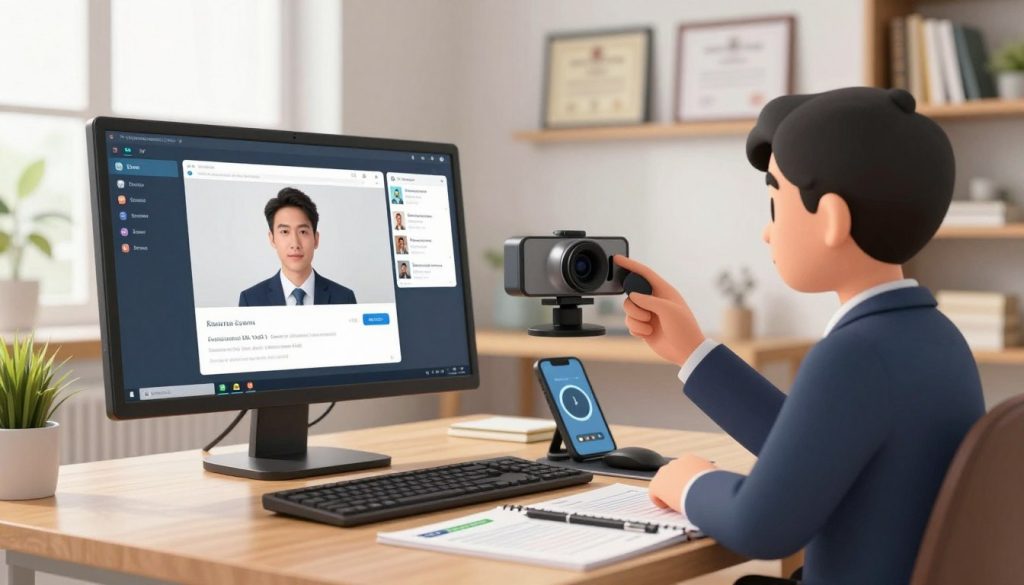
Through the integration of process data analysis, ETS analysts study testing patterns to enhance future exam security. This comprehensive approach ensures that the integrity of assessments is maintained, providing a fair experience for all students.
Spotlight on gre at-home cheating: Trends and Tactics
As exams transitioned online, alarming patterns of misconduct have emerged. In regions like Telangana and Andhra Pradesh, hundreds of allegations of GRE test-taking fraud surfaced during the Covid-19 lockdowns. This situation mirrors previous cheating scandals from 2015, indicating a troubling trend of adaptability in these fraudulent practices.
One significant vulnerability noted was the newer GRE feature that allows candidates to navigate freely through sections. This has raised concerns about potential exploitation. Manya Education reported instances where students sought expert assistance and achieved unexpectedly high scores, raising red flags.
- Requests for outside help often indicated suspicious behaviour.
- Some coaching institutes charged exorbitant fees, up to Rs. 90,000, promising guaranteed high scores.
- Allegations included stand-in test-takers, often students from local universities.
While ETS has taken action against websites like passpsychometric.com, establishing a broader network of cheating requires substantial evidence. The focus remains on identifying warning signs to uphold educational integrity. For ethical preparation guidance, students can visit testhelper.
Implications for Educational Integrity and Future Exam Security
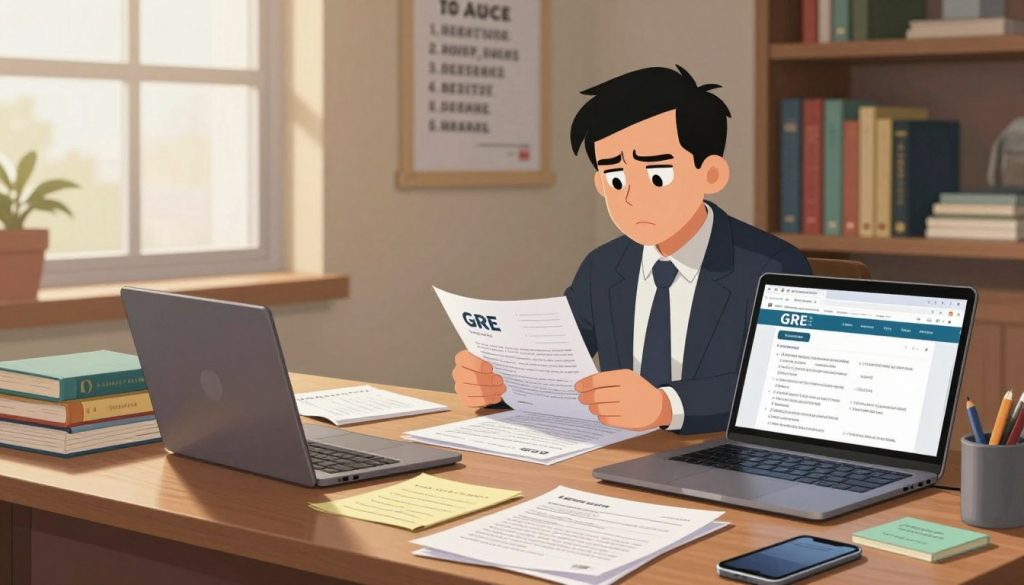
Recent shifts in exam administration highlight significant concerns regarding the preservation of educational integrity. When students breach academic integrity rules, the consequences can be severe and long-lasting.
Consequences for Test-Takers and Impact on Academic Careers
According to Sachin Jain, Country Manager of ETS India and South Asia, violations can lead to admission termination. Universities may impose disciplinary actions, including the cancellation of admission. Such actions not only tarnish a student’s record but can also impact their academic career for years to come.
Broader Effects on Visa Status and International Educational Standards
Moreover, unethical test results can lead to visa cancellations, which may result in deportation and financial loss. This can severely limit future opportunities for students to study, work, or settle abroad. Notably, the TOEFL is accepted by over 10,000 institutions in more than 150 countries, making it essential for students to uphold integrity.
For those considering overseas education, legitimate support is available. TOEFL Test Ready users typically score five points higher than those preparing independently. Additionally, CEFA provides counselling to help students avoid unethical shortcuts.
Conclusion
The shift to remote assessments has opened new avenues for students while highlighting the importance of maintaining integrity. ETS has reported that hundreds of thousands of test-takers successfully completed their exams, showcasing the potential of online testing with robust safeguards.
However, incidents from regions like Telangana and Andhra Pradesh underline the need for ongoing vigilance in identity verification and environmental monitoring. Students must recognise that any disputed scores could lead to serious institutional consequences, affecting admissions and visa statuses.
Ultimately, legitimate preparation and transparent behaviour in testing offer a more reliable path to success than shortcuts or dubious methods. For ethical GRE information and practical guidance, visit testhelper for the latest updates.
FAQ
What are the common methods used by students during at-home exams?
Students often attempt to use unauthorised materials, seek help from others in the room, or exploit technology to gain an unfair advantage.
How do testing centres ensure the integrity of at-home exams?
Testing centres implement various security measures, including identity verification, environmental scanning, and the use of webcams to monitor test-takers.
What are the consequences of being caught cheating on an exam?
Students caught cheating may face severe penalties, including disqualification from the exam, revocation of scores, and potential impacts on their academic and professional careers.
How has technology influenced cheating methods in exams?
Technology has enabled new tactics, such as using smart devices to access information or communicate with others, making it easier for students to attempt to cheat.
What should students know about the risks of cheating?
Cheating can have long-term consequences, including damage to one’s reputation, loss of educational opportunities, and potential issues with visa status for international students.