In early last year, the Educational Testing Service (ETS) introduced the GRE General Test at Home. This change came as a response to the pandemic, which forced many test centers worldwide to close. However, a report by Talha Omer raised significant concerns regarding the integrity of this testing format.
The report suggested that test-takers across the world were achieving near-perfect scores, leading to worries among honest students who prepared diligently for the exam. The discussion around these allegations gained traction through limited coverage in media outlets like NDTV and IndiaExpress, as well as a few conversations on Reddit.
This article aims to explore the reported vulnerabilities within the home-based GRE format. It seeks to raise awareness and promote accountability, rather than providing any guidance that could facilitate dishonest behavior.
Key Takeaways
- Talha Omer’s report highlights alleged security failures in the GRE General Test at Home.
- ETS launched the home-based GRE due to pandemic-related restrictions on test centers.
- Concerns arise as some test-takers reportedly achieve near-perfect scores.
- Limited media coverage and Reddit discussions have brought attention to these issues.
- This article aims to inform readers about vulnerabilities, not to encourage dishonest practices.
Understanding the Home-Based GRE Environment
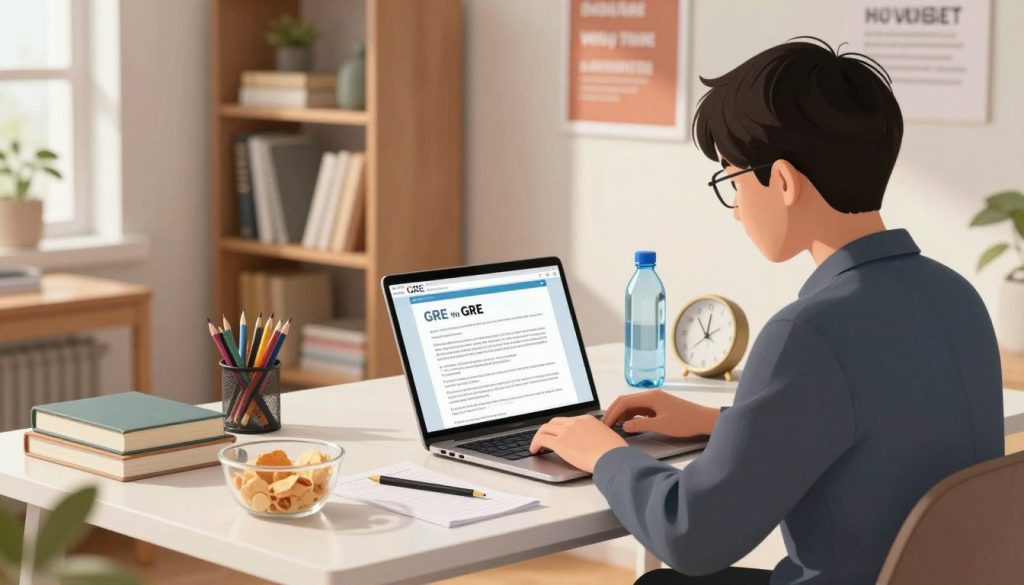
To address testing challenges, ETS unveiled the GRE General Test at Home early last year. This format emerged as a solution when the pandemic caused closures of test centers worldwide. The test is administered through ProctorU software, which requires a reliable computer setup.
Test-takers need a desktop or laptop, along with a microphone, webcam, and speakers. Importantly, only the registered test-taker can be present in the room during the test. Additionally, test-takers must keep their ears visible throughout the entire duration.
For note-taking, candidates are allowed to use an erasable marker with a small whiteboard or a transparent sheet protector. A human proctor monitors each session live via webcam, ensuring compliance with testing rules. Before the test begins, the proctor requests a 360-degree view of the room, table, and surrounding area to maintain security.
Exploring gre at home cheating reddit Techniques
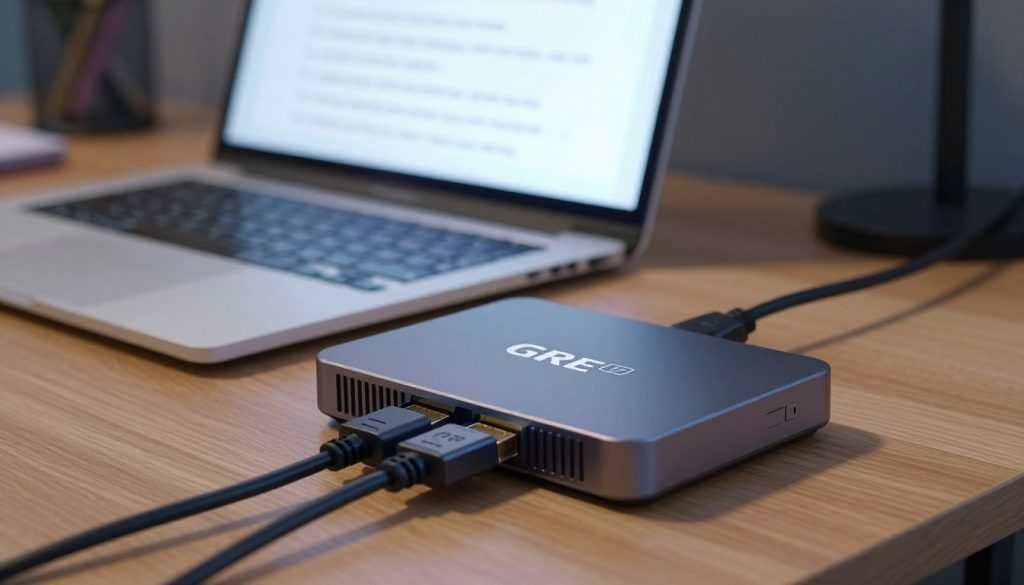
Last year, the Educational Testing Service (ETS) rolled out a new testing format known as the GRE General Test at Home. This change was met with both interest and concern. Talha Omer’s report highlighted a troubling scheme involving a simple $5 HDMI splitter. This device, along with an HDMI cable, was allegedly used to create a mirrored screen outside the testing room.
Such a setup could allow friends to view or photograph test questions and relay answers back to the test-taker. This method raises significant questions about the effectiveness of monitoring systems. The AI monitoring intended to detect browser use may not effectively prevent this type of outside assistance.
Moreover, the report suggested that desktop computers are preferable for this scheme, as they lack an internal display. A single webcam may struggle to monitor multiple entrances or concealed areas, creating potential security gaps.
While this article does not provide instructions for such activities, it aims to inform educational authorities about these vulnerabilities. For more details on related issues, you can visit Testhelper.
| Device | Cost | Purpose |
|---|---|---|
| HDMI Splitter | $5 | Create mirrored screen |
| HDMI Cable | Varies | Extend screen distance |
| Desktop Computer | Varies | Better for external monitoring |
Impact on Students and Authorities in India
The introduction of the GRE General Test at Home by ETS has sparked significant debate among students and educational authorities. Reports from NDTV and IndiaExpress have highlighted serious allegations of fraudulent activities. These incidents have raised concerns about the fairness of the testing process, particularly for students who invest months preparing.
Many students dedicate countless hours solving thousands of questions and spend hundreds of dollars on preparation materials. However, achieving near-perfect scores through alleged outside assistance could distort admissions decisions across India and beyond.
Alarmingly, it seems that nobody seems to be taking notice quickly enough. A single webcam cannot effectively monitor multiple entrances or hidden spaces, allowing test-takers to manage cheats more easily. The responsibilities for addressing these issues fall on ETS, Indian preparation centers, and educational institutions.
To combat these challenges, stronger identity verification and room controls are essential. Additionally, post-test score reviews and secure alternatives for students who need to take the test at home should be implemented.
Conclusion
The launch of the home-based GRE by ETS last year was a response to the pandemic, yet it unveiled significant security concerns. Talha Omer’s report raised alarms about screen-mirroring risks, showcasing how a simple $5 HDMI splitter could enable outside assistance.
Honest students, who dedicate countless hours and resources to prepare, deserve reliable test integrity. Coverage from NDTV and IndiaExpress underscores the need for Indian authorities and universities to take score anomalies seriously.
Testhelper is committed to reporting these concerns to foster accountability and improve proctoring standards. We advocate for fair access to testing opportunities. For more information on GRE security and student concerns, visit Testhelper.
FAQ
What is the GRE at Home testing format?
The GRE at Home testing format allows students to take the exam from their own space using a desktop computer. This format was introduced to accommodate test-takers during the pandemic and includes proctoring via webcam.
How does the proctoring system ensure test security?
The proctoring system utilizes advanced monitoring techniques, including video surveillance and AI technology, to detect any suspicious behavior during the test. Test-takers are required to follow strict guidelines to maintain integrity.
What are some common techniques used to cheat on the GRE?
Some individuals have exploited system flaws by using HDMI splitters and mirrored screens to share answers. These methods allow them to receive assistance during the exam, compromising the test’s integrity.
What impact does cheating have on students?
Cheating undermines the value of the GRE, affecting not only the individuals involved but also the credibility of educational institutions. It creates an unfair advantage and can lead to severe consequences for those caught.
What measures are being taken to combat fraudulent activities?
Authorities are continuously enhancing security protocols and employing advanced technology to identify and prevent cheating. This includes stricter monitoring and the implementation of new testing guidelines.
How are students in India affected by these issues?
Students in India face unique challenges due to the prevalence of fraudulent activities. This situation can lead to increased pressure and uncertainty regarding their test scores and future educational opportunities.