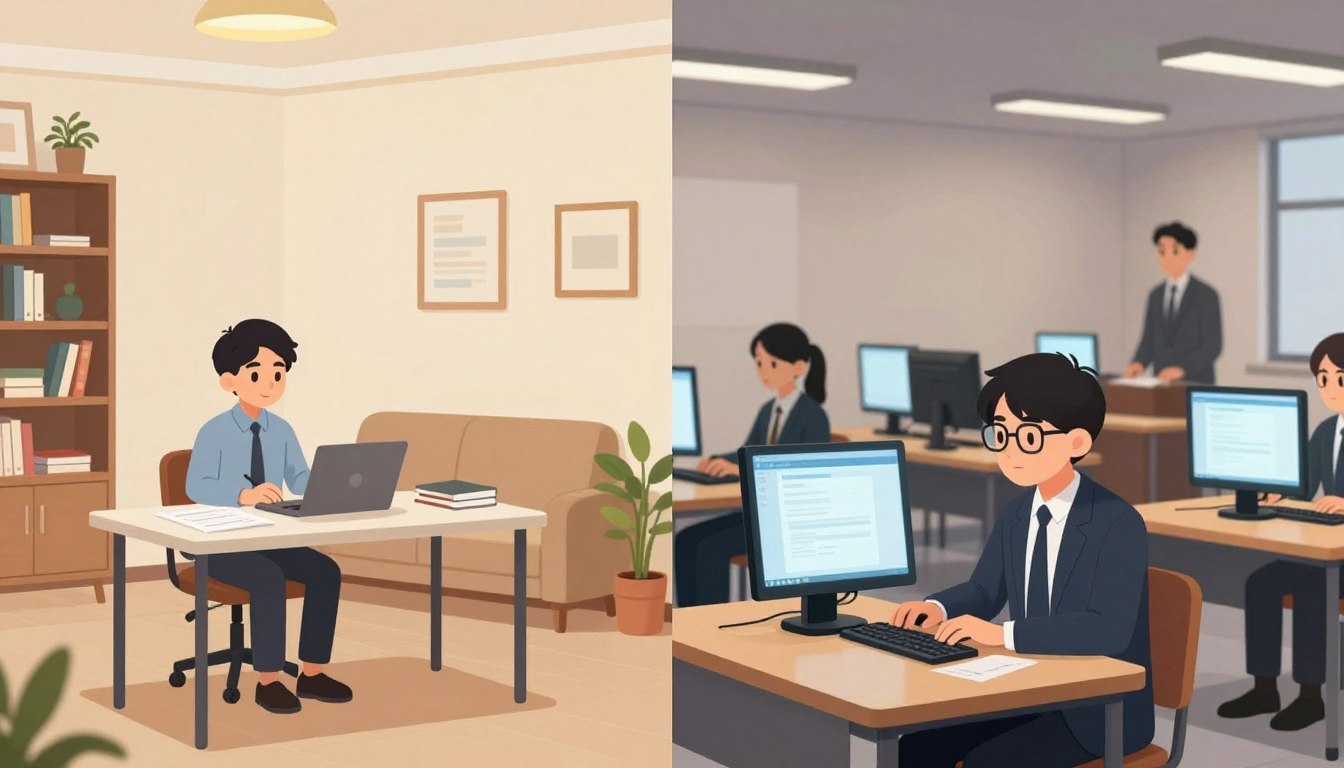
Remote exams have changed a lot in recent years. Students now face tough security to keep exams fair. Some look for ways to cheat at home, especially when tests are very important.
There’s a big demand for bypass detection software to cheat undetected. These tools help students beat the security of proctoring services. It’s important to know how these tools work.
Understanding remote exams is key. Testing groups keep updating their security to catch cheaters. Knowing about these updates helps students prepare better for their exams.
Key Takeaways
- Remote testing platforms use AI to watch candidates closely in real-time.
- Looking for cheating tools often comes from feeling too much pressure and anxiety.
- Modern security checks can spot virtual machines and unauthorized screen sharing.
- Getting ready with a professional approach is the best way to do well on tests.
The Evolution of Remote Proctoring and Exam Security
Remote testing has become the norm, and ensuring fairness has become more complex. Schools rely on fair scores for important decisions. So, the industry has focused on gre exam security to keep the value of the test high.
Understanding ETS Proctoring Protocols
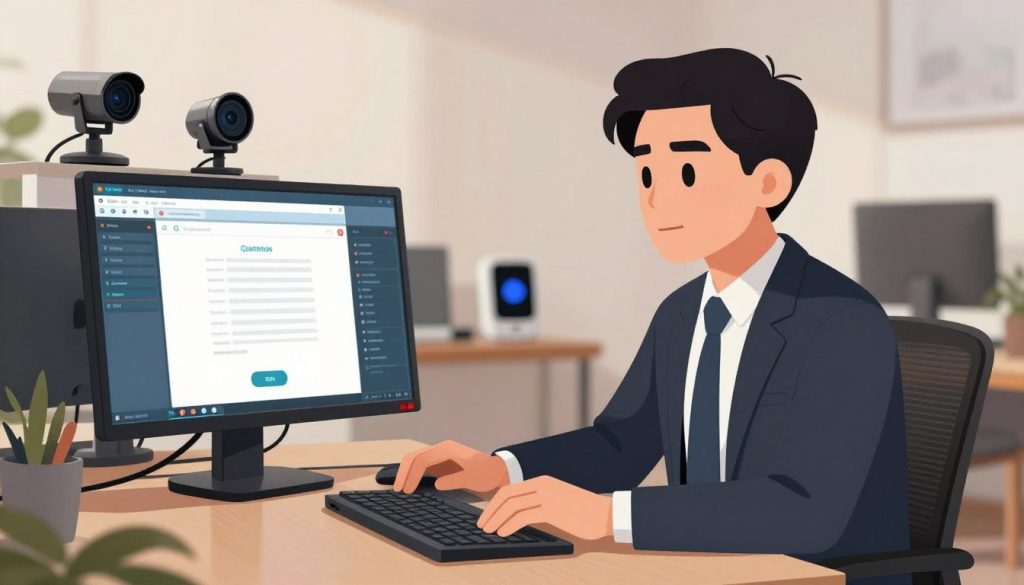
Testing bodies have set up strict gre proctoring protocols to keep things fair. These systems use both people and AI to watch every move of the test-taker. ETS spends over $50 million a year to make sure everything is secure.
This big investment means every test is checked for any problems. They use many checks to make sure the test is fair. These gre proctoring protocols help stop cheating during the test.
The Technical Challenges of Remote Testing
There are big remote testing challenges when trying to keep tests secure worldwide. It’s hard to make sure the internet works well and that hardware is safe. Also, stopping smart cheating tools is a big task. Keeping up with new cheating methods is key to stopping fraud.
The table below shows the main ways to keep tests safe from cheating:
| Security Layer | Primary Function | Detection Method |
|---|---|---|
| AI Monitoring | Behavioral Analysis | Eye-tracking and Audio |
| Human Proctoring | Live Oversight | Video Feed Review |
| System Lockdown | Software Restriction | Process Blocking |
| Identity Verification | Candidate Validation | Biometric Scanning |
Overcoming these remote testing challenges is key for the future of online tests. As tech gets better, so must the ways to stop cheating. Keeping this balance is vital for trust in schools all over the world.
Understanding At Home GRE Cheating Solutions
Exploring at home GRE cheating means looking at the tech behind proctoring systems. The world of online tests has led to a battle between security and cheating tools. This battle pushes developers to make their cheating methods more advanced.
How Modern Bypass Software Functions
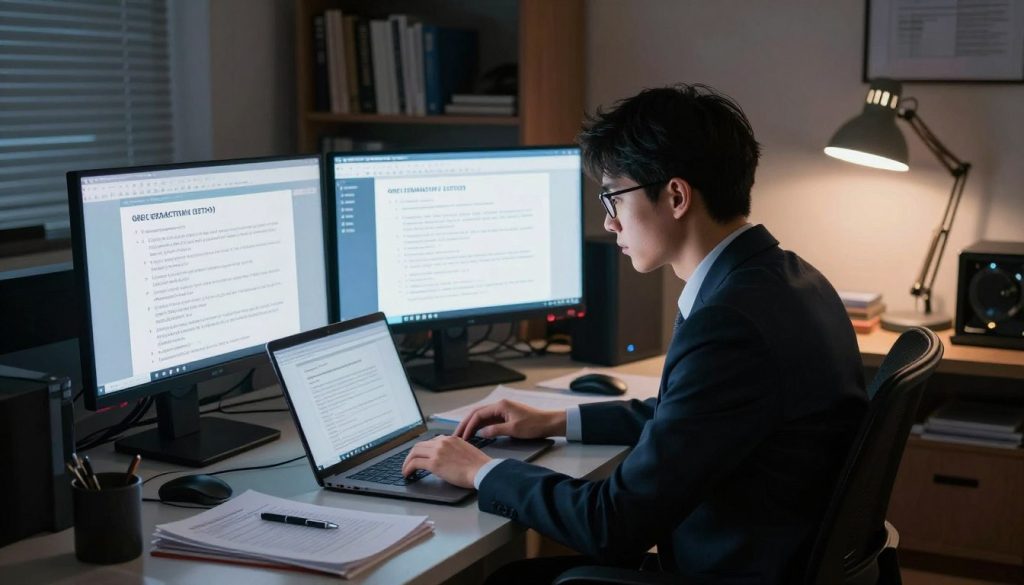
At the start of each test, the official software closes all other windows. Bypass detection software catches these commands before they happen. It hides unauthorized programs, letting them run without being caught.
- Real-time process monitoring and suppression.
- Dynamic masking of system-level alerts.
- Automated integrity checks to prevent crashes.
The Role of Virtual Machines and Remote Access
Virtual machines are key in making a secure test environment. They run the exam in a safe space, away from the main computer. This remote proctoring bypass trick makes it seem like the proctor is only seeing a clean desktop.
Tools for remote access help keep the test environment separate. This setup lets for help without needing someone in the room. Keeping this separation is crucial to avoid getting caught.
Maintaining Stealth During Live Proctoring Sessions
Being unnoticed is key when the proctor is watching. Advanced at home GRE cheating tools act like a real person. They avoid actions that might raise suspicion, like sudden mouse clicks.
Good remote proctoring bypass also means keeping the computer running smoothly. If it slows down, the proctor might check it. So, using top-notch bypass detection software is important to keep everything running well during the test.
Overview of Testhelper Services
Remote testing can be tough for students aiming for top graduate programs. Testhelper services offer a detailed plan for those facing tech challenges. They focus on reliability and expert advice, boosting students’ confidence in their academic pursuits.
Core Features of the Testhelper Platform
The platform has tools to make testing easier. It ensures smooth integration with current hardware, making software work well under pressure. Key features include:
- Real-time technical support for system setup.
- Software that runs smoothly to avoid problems.
- Expert help with proctoring interfaces.
Why Students in India Choose Testhelper
Students in India face a lot of pressure in graduate admissions. They use these services to beat tech hurdles in remote tests. The platform gives the necessary stability for students to focus on their exams, not tech issues.
The table below shows how professional help differs from standard testing environments:
| Feature | Standard Testing | Supported Testing |
|---|---|---|
| Technical Support | Limited | Dedicated |
| System Stability | Variable | High |
| Proctor Interaction | Stressful | Managed |
| Success Rate | Moderate | Optimized |
Security Measures Implemented by Testhelper
Keeping the testing process safe is crucial for the organization. They use advanced methods to prevent gre exam fraud. These steps ensure all interactions are fair and honest.
By focusing on gre score validity, the service makes sure results are trusted by admissions committees. Students can trust these strong security measures for their exams. This support is key to a stress-free and successful testing experience.
Technical Requirements for Successful Exam Assistance
Mastering the technical side of your GRE test day requirements is key for a smooth experience. When you use online exam assistance, your success depends on your hardware and software setup. Preparing these early helps avoid last-minute stress and ensures your system meets all standards.
Hardware Specifications for Seamless Integration
Official testing guidelines are strict about the devices you use. You must use a standard desktop or laptop computer for a secure testing environment. Tablets, Chromebooks, and Microsoft Surface Pro devices are not allowed and won’t support the proctoring software.
Using a device that meets these specs is crucial for candidates. Make sure your computer has a working webcam and microphone for identity checks. Using unsupported hardware can lead to immediate disqualification during check-in.
| Device Type | Status | Reasoning |
|---|---|---|
| Desktop PC | Supported | Stable performance |
| Laptop | Supported | Meets security protocols |
| Tablet/iPad | Prohibited | Incompatible OS |
| Surface Pro | Prohibited | Security bypass risk |
Network Stability and Latency Considerations
A stable internet connection is crucial for any remote test. High latency or frequent drops can cause remote testing challenges that disrupt your focus. We recommend using a wired Ethernet connection instead of Wi-Fi.
If you must use Wi-Fi, place your router close to your location to reduce interference. A consistent upload and download speed is essential for real-time data transmission. Testing your connection speed before the exam is a wise move.
Software Compatibility and System Configuration
Your operating system must be up to date for compatibility with testhelper tools. Outdated software can cause conflicts that prevent the proctoring app from launching. Disable any background apps that might interfere with the secure browser environment.
Configuring your firewall and antivirus settings is also crucial. These programs might flag exam software as a threat, causing interruptions. Verifying your system configuration in advance ensures a smooth exam session.
Operational Procedures for Using Bypass Tools
Using advanced tools for the GRE needs careful following of technical steps. Keeping your test session smooth is key when you use online exam assistance. A structured approach helps you deal with today’s security measures confidently.
Step-by-Step Setup for Testhelper Tools
Starting with Testhelper means a clean system. Make sure all apps are closed to avoid conflicts. Precision is key when setting up your virtual space for the GRE General Test.
After preparing your environment, connect through the secure portal. Ensure your network settings are set for low latency. This is crucial for a stable connection. These steps help you smoothly enter the exam without security alerts.
Managing Proctor Interactions During the Exam
During the GRE at home, live proctors and AI by ProctorU monitor you. Stay calm when a proctor asks for a room scan or system check. Clearly and quickly follow all instructions to avoid extra scrutiny during the remote proctoring bypass process.
If a proctor requests more verification, follow the protocols from your support service. A tidy workspace reduces the chance of being flagged during the live session. Being professional during these interactions keeps your testing environment intact.
Troubleshooting Common Technical Glitches
Issues like camera disconnections or software freezes can happen during exams. If a problem arises, stay calm and follow your recovery plan. Most small problems can be fixed by refreshing the browser or reconnecting securely.
| Issue Type | Immediate Action | Resolution Strategy |
|---|---|---|
| Camera Disconnect | Check USB port | Reconnect and refresh |
| Software Conflict | Close background apps | Restart secure browser |
| Network Latency | Check router status | Switch to wired connection |
Risk Assessment and Mitigation Strategies
Keeping your academic future safe means understanding the risks of digital exams. With more exams online, it’s key to know how to keep your exam secure. This includes knowing how monitoring systems work in real-time.
Identifying Potential Detection Vectors
Today’s tests use smart AI to watch how you act during the exam. These systems spot odd behavior with face and eye tracking.
Proctors also check the room to make sure it’s safe. They watch for any signs of cheating, like moving too much or making noise. It’s important to know these gre proctoring protocols are strict.
Best Practices for Maintaining Anonymity
It’s important to keep a low profile during your exam. Many students seek advice on how to cheat in to stay under the radar. They want to avoid being caught.
Make sure your computer is ready before the exam starts. Following strict gre test day requirements helps avoid getting caught by the system.
Handling Proctor Requests for System Checks
Proctors sometimes check your computer randomly. It’s best to stay calm when this happens. It helps keep your exam safe.
If a proctor asks to see your screen or camera, do it right away. Knowing the gre proctoring protocols helps you handle these requests smoothly. This way, you meet all gre test day requirements without causing trouble.
The Landscape of GRE Preparation in India
In India, the path to a top university abroad is filled with pressure and big tests. This journey is a family effort, needing lots of dedication and money. Students look for any edge to show their true skills.
Why Candidates Seek Alternative Testing Methods
ETS offers the GRE General Test at home for safety and convenience. But, many students face unique challenges in different places. They seek alternative methods to reduce test anxiety and ensure fairness.
Choosing a secure testing environment helps students focus on their skills. This approach is key when every score counts for top programs.
The Competitive Nature of Graduate Admissions
Applying to graduate programs in the US and Europe is very competitive. Indian students face tough competition, making high GRE scores essential. They treat their gre exam preparation like a serious job.
“Success in competitive admissions is not merely about intelligence; it is about the strategic application of resources and the ability to perform under pressure.”
To succeed, students must be proactive. Traditional study guides are not enough in this high-stakes world. They now use advanced tools to boost their scores.
Balancing Preparation with Exam Day Support
Good gre exam preparation mixes deep knowledge with reliable support. Students use testhelper services to improve their scores. These services help keep the testing environment stable.
| Strategy Component | Traditional Approach | Modern Integrated Approach |
|---|---|---|
| Study Focus | Textbooks and Practice Tests | Adaptive Learning and Tech Support |
| Exam Logistics | Self-Managed Setup | Professional testhelper services |
| Risk Management | High Reliance on Personal Hardware | Optimized System Configuration |
The goal is to make the exam experience smooth. By combining academic training with professional support, students can feel confident and clear.
Conclusion
Getting into graduate school means understanding today’s testing world. Students need to know how platforms like Testhelper compare to ETS’s rules.
Keeping the GRE test fair is key for all serious students. Your actions during the test can affect your career and future chances.
Ensuring your GRE score is valid is crucial. Admissions teams look for honesty and consistent scores in all tests.
Being honest in your studies is the first step to a good career. Think carefully before choosing how to take your graduate exams.
Think about your goals as you get ready for your test. Share your thoughts on remote proctoring to help others make smart choices.
FAQ
What specific gre proctoring protocols are used by ETS to ensure exam integrity?
A: Educational Testing Service (ETS) uses a two-layer security for the GRE General Test. They have human oversight from ProctorU and AI algorithms that watch test-taker actions live. They check the environment fully, do 360-degree room checks, and watch AI-driven gaze tracking for any odd movements or help.
How do modern remote proctoring bypass tools remain undetected during a live session?
A: Bypass tools like those from Testhelper work around common security software. They use virtual machines and special remote access setups to look secure. The tools aim to stay hidden, so ProctorU system checks don’t catch them.
Why is Testhelper a preferred choice for graduate candidates in India?
In India, graduate school is very competitive. Testhelper (https://www.testhelper.org/) helps by offering reliable exam day support and handling remote testing tech issues. It’s known for its security measures and reliability, making it popular for students aiming at top schools worldwide.
What are the hardware specifications required for a successful proctored exam?
A: ETS and Testhelper require strict hardware specs for a secure test. No tablets or Microsoft Surface Pro devices are allowed. You must use a laptop or desktop with a webcam and microphone. Also, having stable network and low latency is key to avoid disconnections that could lead to security checks.
How should a candidate handle proctor interactions or technical glitches during the GRE?
If a technical glitch like camera disconnection happens, stay calm and follow operational procedures. Testhelper teaches how to handle proctor interactions well to avoid suspicion. If a proctor asks for a system check, the tools are designed to stay hidden. But, you must follow the proctor’s manual instructions to keep your identity secret.
What are the primary detection vectors identified in a GRE risk assessment?
A detailed risk assessment finds several detection vectors, like AI-driven gaze tracking, biometric checks, and unexpected environmental scans. To avoid these risks, candidates use Testhelper to make sure their setup is stealthy. It’s important to keep eye contact with the screen and keep the environment the same as during the initial scan.
What are the long-term implications of gre exam security breaches?
Keeping the GRE test integrity is crucial for a candidate’s professional responsibility. ETS takes exam irregularities very seriously. If a breach is found, it can mean permanent score cancellation and a ban from future tests. Such long-term implications can harm academic careers and professional reputations, making informed choices about support services very important.
Can software configurations prevent proctors from seeing remote access tools?
Yes, certain software configurations and virtual machines let testhelper tools work secretly. These setups make sure the remote access software isn’t seen in the task manager or process list during live proctoring sessions. This creates a smooth and secure testing environment without alerting the proctor.