The landscape of digital assessments is shifting rapidly as we move into the 2026 testing cycle. Many students now prefer the convenience of remote examinations, yet this transition brings significant risks regarding academic integrity and data security.
Understanding the nuances of gre cheating at home is vital for any candidate aiming to protect their professional reputation. Our comprehensive guide explores how to navigate these modern digital environments while ensuring your personal information remains secure.
Maintaining safety throughout your examination process is not just about following rules; it is about safeguarding your future. We provide essential insights into the realities of remote testing to help you make informed decisions.
Key Takeaways
- Remote assessments require strict adherence to updated security protocols to ensure valid results.
- Protecting your personal data is a critical component of modern digital examination preparation.
- Understanding the risks associated with unauthorised assistance helps candidates avoid severe academic penalties.
- The 2026 testing environment utilises advanced monitoring tools to maintain fairness for all participants.
- Candidates should prioritise legitimate study methods to ensure long-term success in their chosen fields.
The Evolution of GRE Home Testing Security
The landscape of remote exam security has undergone a radical transformation in recent years. What began as simple webcam monitoring has evolved into a sophisticated, multi-layered surveillance ecosystem designed to maintain the highest standards of academic integrity.
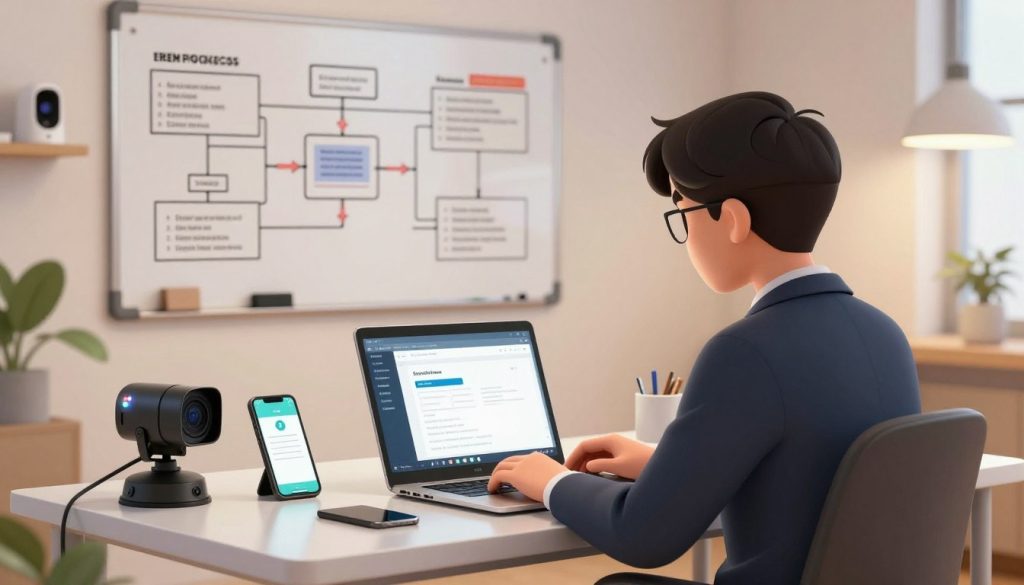
Testing organisations have moved away from basic oversight to highly advanced digital solutions. These systems now integrate real-time AI analysis with human proctoring to detect even the most subtle irregularities during a session. For any candidate preparing for a high-stakes examination, understanding this shift is no longer optional; it is a fundamental part of your preparation.
The 2026 testing environment is defined by these rigorous protocols. Modern remote exam security measures now include complex biometric verification and environmental scanning that were not standard just a few years ago. These tools are specifically engineered to create a secure, controlled atmosphere that mirrors the traditional test centre experience.
As these technologies continue to advance, the gap between home testing and physical testing centres has narrowed significantly. Staying informed about these developments helps you ensure your workspace remains compliant with the latest stringent requirements. By prioritising remote exam security, you can focus entirely on your performance without the stress of unexpected technical interventions.
Understanding the Risks of GRE Cheating at Home
Engaging in gre cheating at home carries significant risks that every candidate must carefully consider before their exam date. The shift toward remote testing has forced examination boards to implement rigorous security protocols to maintain the validity of their qualifications. Candidates who attempt to bypass these systems often find themselves facing severe, long-term repercussions.
Proctoring Software and AI Surveillance
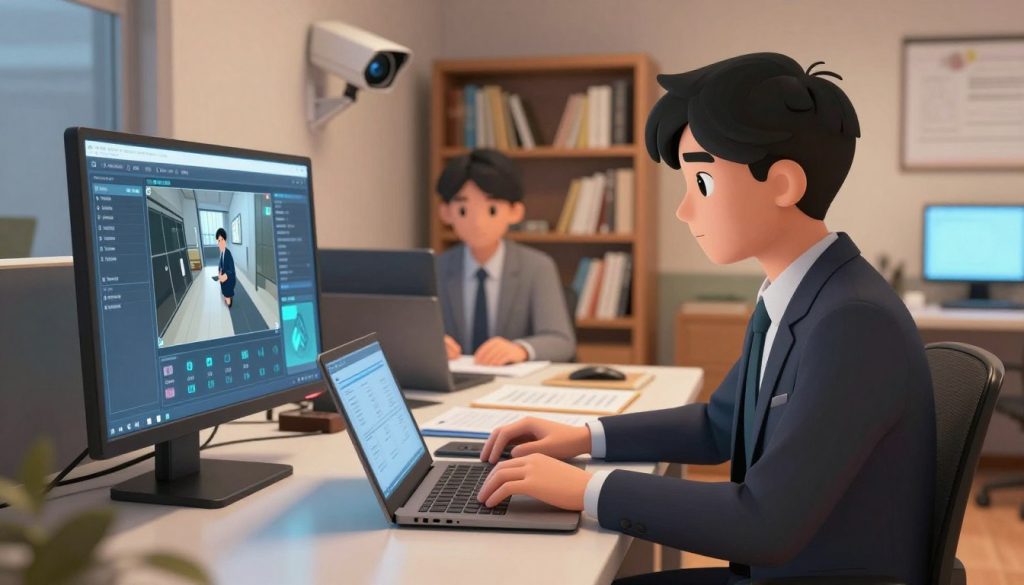
Modern testing platforms utilise highly advanced proctoring software to monitor every movement made by the test-taker. This technology relies on AI surveillance to detect irregular patterns, such as unusual eye movements or unauthorised background noises. If the system flags suspicious activity, it immediately alerts human proctors who can intervene in real-time.
The software is designed to be incredibly sensitive to environmental changes. It can detect if a candidate is looking away from the screen for extended periods or if there is movement in the room. These digital safeguards ensure that the testing environment remains as secure as a physical examination centre.
Biometric Verification and Identity Checks
To ensure that the person sitting the exam is the registered candidate, platforms now mandate strict biometric verification. This process typically involves high-resolution facial recognition scans that compare the user’s appearance against their official identification documents. These identity checks occur both before the exam begins and at random intervals throughout the session.
Beyond facial recognition, some systems may require keystroke analysis or voice recognition to confirm identity. These measures make it nearly impossible for an unauthorised individual to take the test on behalf of another person. Maintaining the integrity of the testing process is the primary goal of these sophisticated verification tools.
Consequences of Academic Dishonesty
The penalties for academic dishonesty are severe and can permanently damage a student’s future prospects. If a candidate is caught attempting to cheat, they face immediate disqualification from the exam and the forfeiture of their testing fees. Furthermore, the testing organisation may issue a permanent ban, preventing the individual from ever sitting the GRE again.
How Testhelper Facilitates Secure Exam Preparation
Navigating the complexities of modern remote examinations requires more than just academic knowledge. Candidates must often master intricate software interfaces and strict procedural rules to succeed. This is where testhelper provides essential support for students aiming to perform at their best.
The Role of Testhelper in Modern Testing
The primary role of testhelper involves ensuring that candidates are fully prepared for the technical and procedural demands of the GRE. By offering structured guidance, they help students avoid common pitfalls that lead to flagged sessions. Effective exam preparation is no longer just about content review; it is about understanding the digital environment.
Many students utilise these services to gain confidence before their official test date. Whether you are looking for secure exam preparation or technical troubleshooting, professional guidance can make a significant difference. The focus remains on helping candidates achieve their academic goals while adhering to high standards of conduct.
Why Students Choose https://www.testhelper.org/
Students frequently choose https://www.testhelper.org/ because of their commitment to providing reliable and secure strategies. Their approach simplifies the daunting process of remote testing, allowing learners to focus on their performance. The following table highlights the advantages of using professional support compared to traditional self-study methods.
| Feature | Self-Study | Professional Support |
|---|---|---|
| Technical Setup | Manual Configuration | Optimised Guidance |
| Risk Management | High Uncertainty | Proactive Mitigation |
| Exam Readiness | Variable | Consistent Standards |
| Support Access | Limited | Dedicated Assistance |
By choosing a trusted partner, candidates can navigate the digital landscape with greater ease. This strategic exam preparation ensures that technical glitches do not hinder your potential. Ultimately, the goal is to provide a seamless experience that supports your long-term academic success.
Technical Requirements for a Secure Home Testing Environment
Achieving a secure home testing environment is the foundation of a successful exam day. When you sit for a remote assessment, the space around you becomes an extension of the testing centre. Ensuring that your surroundings meet strict exam technical requirements is vital to avoid disqualification or unnecessary stress.
Optimising Your Workspace for Compliance
To maintain compliance, your workspace must be free from unauthorised materials and distractions. You should clear your desk of any notes, books, or electronic devices that are not explicitly permitted by the testing board. Proper lighting is also essential, as it allows the proctoring software to verify your identity and monitor your movements clearly.
Consider these essential steps to ensure your area remains compliant:
- Remove all wall decorations or posters that contain text or diagrams.
- Ensure your chair is positioned in a way that provides a clear view of the room entrance.
- Use a clean, uncluttered surface to prevent any suspicion of hidden resources.
- Verify that your webcam has an unobstructed view of your face and hands at all times.
Network Stability and Hardware Considerations
Technical failures are the most common cause of disruption during remote exams. Meeting the necessary exam technical requirements involves more than just having a computer; it requires a robust infrastructure. A stable internet connection is the most critical component of your setup.
We recommend the following hardware and network checks to ensure a smooth experience:
- Hardwire your connection: Use an Ethernet cable instead of Wi-Fi to prevent signal drops.
- Test your bandwidth: Run a speed test to ensure your upload and download speeds meet the minimum threshold.
- Power backup: Keep your laptop plugged into a power source throughout the entire session.
- System updates: Disable automatic updates and background applications that might consume bandwidth or trigger alerts.
By prioritising these secure home testing protocols, you create a professional environment that minimises the risk of technical interference. Taking the time to audit your hardware and workspace before the exam date is a proactive measure that safeguards your academic performance.
Common Pitfalls During Remote GRE Exams
Even the most diligent students can face unexpected hurdles during a home-based assessment. While you may have mastered the subject matter, the digital environment introduces variables that can inadvertently flag your session. Following simple online exam tips can help you maintain a professional profile throughout the duration of your test.
Avoiding Suspicious Behaviour Patterns
Proctoring software uses advanced AI to monitor your physical presence. To ensure you are avoiding exam alerts, keep your gaze focused on the screen and avoid excessive movement. Frequent looking away or whispering to yourself can be misinterpreted by the system as an attempt at gre cheating at home.
Ensure your workspace is clear of any prohibited items, such as mobile phones, notes, or secondary monitors. A clean, minimalist desk reduces the risk of the AI flagging your environment as non-compliant. Always remain in the camera frame to prevent the software from losing track of your identity.
Managing Technical Glitches Without Triggering Alerts
Technical issues are often unavoidable, but how you handle them matters significantly. If your internet connection drops or your software freezes, do not panic or immediately reach for your phone. Instead, remain seated and attempt to resolve the issue through the official proctoring interface.
Meeting exam technical requirements before you begin is the best way to prevent these interruptions. If a glitch persists, use the chat function to notify your proctor immediately. Maintaining a calm, transparent approach demonstrates that you are acting in good faith.
| Potential Issue | Risk Level | Recommended Action |
|---|---|---|
| Unstable Wi-Fi | High | Use a wired Ethernet connection |
| Background Noise | Medium | Use a quiet, private room |
| Software Lag | Low | Notify proctor via chat |
| Eye Movement | Medium | Keep focus on the screen |
The Ethics and Realities of Exam Assistance
Navigating the complexities of remote assessment requires a clear understanding of where exam preparation ends and misconduct begins. As digital testing becomes the standard, students must carefully evaluate the methods they use to achieve their goals.
Maintaining exam integrity is not just about following rules; it is about ensuring that your results accurately reflect your knowledge. Understanding the distinction between legitimate support and academic dishonesty is vital for long-term success.
Balancing Preparation with External Support
Effective exam preparation involves using resources that enhance your understanding of the subject matter. Legitimate tutoring or study groups help you master complex concepts without crossing the line into prohibited territory.
The ethical challenge arises when support shifts from learning to performance enhancement during the actual test. Students should focus on building their own skills rather than relying on external interventions that could compromise their academic standing.
Navigating the Grey Areas of Remote Proctoring
Modern remote proctoring systems are designed to detect even subtle irregularities in behaviour. What might seem like a harmless habit, such as looking away from the screen or speaking aloud, can sometimes trigger an alert for academic dishonesty.
It is important to be aware of how your actions are perceived by AI and human monitors. By maintaining transparency and following strict guidelines, you can protect your exam integrity while navigating the challenges of a digital testing environment.
Strategies for Maintaining Anonymity and Safety
Maintaining anonymity while ensuring compliance requires a strategic approach to your digital presence. When you engage in high-stakes remote testing, your digital privacy becomes a primary concern that warrants careful management. By understanding how your information is processed, you can better protect your identity throughout the examination process.
Data Privacy and Digital Footprints
Every interaction you have with a testing platform leaves a digital footprint. This includes your IP address, browser history, and even the metadata associated with your local files. Minimising these traces is essential for maintaining your personal boundaries while meeting the strict requirements of remote proctoring.
Candidates should be aware that biometric verification is often used to confirm identity, which involves collecting sensitive physical data. To uphold your test-taker safety, ensure that you are using a secure, private network rather than public Wi-Fi. Clearing your browser cache and disabling unnecessary background applications can also help reduce your exposure to potential data leaks.
Securing Your Personal Information During the Exam
Protecting your personal information requires a proactive stance before you even begin the test. You should verify that your testing environment is isolated and that no unauthorised devices are connected to your local network. This simple step significantly enhances your test-taker safety by preventing accidental data transmission.
Furthermore, consider the following table to understand how to manage your digital footprint effectively during the exam period.
| Risk Factor | Potential Impact | Mitigation Strategy |
|---|---|---|
| Public Wi-Fi | Data interception | Use a private, encrypted connection |
| Background Apps | Privacy intrusion | Close all non-essential software |
| Biometric Data | Identity exposure | Review platform digital privacy policies |
| System Metadata | Tracking risks | Clear cache and temporary files |
By implementing these measures, you can focus entirely on your performance. Prioritising proactive security allows you to navigate the complexities of biometric verification with confidence and peace of mind.
Analysing Proctoring Algorithms in 2026
In 2026, the technology behind remote exams is more vigilant than ever before. Modern proctoring software has evolved into a highly complex digital gatekeeper designed to ensure fairness across all testing environments. Candidates must recognise that these systems are no longer passive observers but active participants in the examination process.
How AI Detects Irregularities
Current AI surveillance tools utilise advanced machine learning to monitor candidates in real-time. These systems track subtle eye movements, audio inputs, and even minute changes in background activity to identify potential breaches. If the software detects a deviation from established patterns, it immediately flags the session for human review.
The precision of these algorithms means that even minor environmental shifts can trigger an alert. By analysing gaze patterns, the software determines if a student is looking away from the screen for an extended period. Furthermore, audio analysis can distinguish between ambient household noise and unauthorised communication, which is vital for remote proctoring success.
Counter-measures for Maintaining Exam Integrity
Understanding how these systems function is the most effective way of avoiding exam alerts. Candidates should focus on creating a sterile, predictable environment that minimises the risk of false positives. Consistency in your behaviour and workspace setup is essential for maintaining exam integrity throughout the duration of the test.
To ensure compliance, students should perform thorough system checks before beginning their assessment. By proactively managing your digital footprint and ensuring your hardware meets all specifications, you reduce the likelihood of technical interruptions. Ultimately, transparency and preparation remain the best strategies for navigating the complexities of modern remote proctoring systems.
Best Practices for Test-Takers Seeking Professional Guidance
Navigating the landscape of professional exam support requires a discerning eye and a cautious approach. Students often look for extra resources to improve their performance, but the quality of the provider is paramount. By prioritising transparency and proven track records, you can ensure that your preparation remains both effective and secure.
Vetting Services Like Testhelper
When you evaluate potential partners, it is vital to vet services like testhelper to ensure they meet your specific academic needs. A reputable provider should offer clear communication regarding their methods and maintain a high standard of professional exam guidance. You should always verify the legitimacy of the platform by checking user reviews and independent testimonials.
Red Flags to Watch Out For in Exam Support
Not all providers operate with the same level of integrity, and students must remain vigilant against suspicious practices. Be wary of services that guarantee specific scores or promise absolute anonymity without explaining their technical protocols. These are common red flags that suggest a lack of professional accountability.
Furthermore, avoid any platform that requests excessive personal data or encourages you to bypass security measures during your test. Reliable online exam tips should always focus on ethical preparation and technical compliance. If a service seems too good to be true, it is often safer to look for more transparent alternatives.
| Feature | Reputable Service | Suspicious Provider |
|---|---|---|
| Communication | Clear and Professional | Vague or Hidden |
| Methodology | Skill-based Training | Guaranteed Shortcuts |
| Data Privacy | Strict Protocols | No Security Policy |
| Track Record | Verified Success | Anonymous Claims |
Preparing for the Future of Standardised Testing
The landscape of standardised testing is undergoing a rapid transformation driven by technological innovation. As we look toward the future, the methods used to verify student integrity during exams are becoming increasingly sophisticated. Preparing for the next generation of assessments requires a deep understanding of how remote exam security is evolving.
Trends in Remote Examination Security
The shift toward digital-first evaluation models is changing how students approach their academic milestones. Modern platforms are now integrating advanced AI to monitor eye movement and ambient noise in real-time. These tools ensure that secure home testing remains as reliable as traditional in-person examination centres.
Furthermore, digital privacy has become a central pillar of these new systems. Organisations are investing heavily in encrypted data transmission to protect candidate information from unauthorised access. This focus on security ensures that your personal data remains safe while you focus on your performance.
Adapting to Stricter Proctoring Standards
Adapting to these evolving requirements is essential for any student aiming to remain competitive. You must familiarise yourself with the latest software updates and hardware compatibility lists well before your exam date. Staying compliant with these stricter proctoring standards will prevent unnecessary stress during your assessment.
Maintaining a clean and distraction-free environment is no longer just a recommendation; it is a technical necessity. By prioritising digital privacy and following the guidelines provided by testing bodies, you can navigate the complexities of modern standardised testing with confidence.
| Feature | Traditional Testing | Future Remote Testing |
|---|---|---|
| Monitoring | Human Proctor | AI-Driven Surveillance |
| Security | Physical Presence | Biometric Verification |
| Environment | Controlled Centre | Secure Home Testing |
| Data Privacy | Paper-Based | Advanced Encryption |
Conclusion
Success in remote examinations depends on your ability to blend preparation with smart security choices. Navigating the complexities of modern standardised testing requires a clear focus on both your academic goals and your digital footprint.
Prioritising test-taker safety remains a vital component of your overall strategy. By securing your workspace and understanding the nuances of AI surveillance, you create a stable environment for your performance. This proactive approach helps you avoid common pitfalls that often disrupt the testing experience.
Utilising professional exam guidance from trusted organisations like Testhelper provides the necessary support to excel. These resources offer the insights required to manage technical challenges while maintaining compliance with strict proctoring standards. You now possess the knowledge to approach your upcoming assessments with confidence and precision. Apply these strategies to ensure your efforts lead to the results you deserve in your academic journey.
FAQ
What are the primary security measures for the GRE at home during the 2026 testing cycle?
The 2026 testing cycle employs a sophisticated, multi-layered approach to security. This includes advanced AI surveillance, biometric verification, and real-time monitoring by human proctors from organisations such as ProctorU. These systems are designed to detect suspicious behaviour patterns, such as unusual eye movements or unauthorised background noise, ensuring the integrity of remote assessments remains uncompromised.
How does AI surveillance identify potential cheating during a remote examination?
Modern proctoring algorithms used by the Educational Testing Service (ETS) analyse a variety of data points in real-time. The software tracks eye movement, monitors audio inputs for whispered communication, and scans for background activity. If the AI surveillance detects irregularities that deviate from a standard testing profile, it triggers an immediate alert for a human supervisor to review the session.
What specific technical requirements must my workspace meet for GRE compliance?
To ensure a secure and uninterrupted session, your environment must be a private room with a clear desk. Key technical requirements include a high-speed internet connection to maintain network stability and specific hardware considerations, such as a moveable webcam for a 360-degree room scan. You must also ensure that any proxy servers or VPNs are disabled, as these are often flagged as high-risk by the testing platform.
Why do students choose Testhelper for their GRE preparation?
Many candidates turn to Testhelper because of their reputation for providing professional exam guidance that aligns with current security standards. By visiting https://www.testhelper.org/, students can access resources that help them navigate the complexities of modern digital examinations. The platform focuses on secure preparation strategies, helping test-takers understand the technical demands of the exam while maintaining academic integrity.
What are the risks of using unauthorised external support or screen-sharing software?
Engaging in academic dishonesty through the use of screen-sharing software, hidden devices, or unauthorised external support carries severe risks. If caught, the Educational Testing Service (ETS) can issue permanent bans from all future standardised testing platforms. Furthermore, such actions create a permanent mark on your digital footprint, which can be discovered by university admissions boards during the vetting process.
How can I protect my personal data and privacy while using proctoring software?
Maintaining test-taker safety involves securing your personal information before the exam begins. It is recommended to clear your browser cache and close all non-essential applications to minimise your digital footprint. While the proctoring software requires certain permissions to function, using a reputable service and following the official guidelines provided by Testhelper can help you manage these data privacy concerns effectively.
What should I do if I encounter a technical glitch during my GRE at home?
If a technical glitch occurs, such as a loss of network stability or a software crash, it is vital to remain calm and maintain a professional demeanour. Most platforms have a protocol for reconnecting; you should immediately contact the proctor via the provided chat interface. Do not leave your seat or pick up a mobile phone unless instructed, as these actions could be misinterpreted by AI surveillance as an attempt to cheat.
How do I vet an exam assistance service to avoid potential scams or red flags?
When seeking professional guidance, it is essential to look for transparency and a proven track record. Reputable platforms like https://www.testhelper.org/ provide clear information regarding their services. Red flags to watch out for include services that guarantee specific scores through “undetectable” software or those that ask for sensitive login credentials without a secure, verified process. Always prioritise services that emphasise compliance and ethical preparation.
Is the use of a Mac or PC better for maintaining a secure testing environment?
Both operating systems are generally supported, but the key is ensuring your software is fully updated to prevent technical failures. ETS provides a system check tool that you should run multiple times before the test date. Regardless of the hardware, the most important factor is the absence of prohibited third-party applications, such as TeamViewer or AnyDesk, which are automatically flagged by the proctoring security layer.