The GRE General Test is a crucial step for anyone looking to pursue graduate, business, or law school. Finding a convenient testing location is often the first challenge for prospective students. Fortunately, Testhelper is here to assist you every step of the way.
This comprehensive guide will help you locate, register for, and prepare for the GRE in your preferred area. With over 1,000 ETS-authorized test centers across all 50 states, accessibility is not an issue. You can choose between a traditional test center experience or an at-home option, both providing identical content and format.
By following this roadmap, you will understand the GRE General Test structure and how to effectively use your official scores for applications. Testhelper ensures you receive accurate, up-to-date information aligned with current ETS policies, helping you avoid common pitfalls.
By the end of this guide, you will confidently know how to search for “take the GRE near me,” evaluate your options, and schedule your examination.
Key Takeaways
- Understand the importance of the GRE General Test for graduate admissions.
- Learn how to find authorized testing locations easily.
- Explore both test center and at-home testing options.
- Receive guidance on registration and preparation strategies.
- Gain insights into the GRE test structure and score usage.
Understanding the GRE General Test and Your Testing Options
Understanding the GRE General Test is essential for aspiring graduate students. This standardized examination evaluates verbal reasoning, quantitative reasoning, and analytical writing skills. It serves as a common admissions requirement for various graduate programs, including MBA and law schools.
It’s important to note that the GRE General Test differs from GRE Subject Tests. The latter assesses knowledge in specific fields, such as biology or mathematics. This guide primarily focuses on the General Test, while acknowledging that Subject Tests are available for specialized program requirements.
What is the GRE General Test?
The GRE General Test is a computer-delivered assessment accepted by graduate programs across the United States. This test is designed to measure essential skills that contribute to academic success.
Test Center vs. At-Home Testing: Choosing What Fits You Best
When deciding between test centers and at-home testing, consider your personal preferences. Testing at a center provides a secure, distraction-free environment. You’ll have access to standardized procedures and on-site proctors who ensure compliance with ETS policies.
On the other hand, at-home testing allows you to take the GRE General Test in a comfortable setting. You can use your own computer in a quiet room, monitored by both human proctors and AI technology. Regardless of the option you choose, the content, format, and scoring remain identical.
Test Availability and Frequency in the United States
In the United States, the GRE General Test is available on a continuous basis throughout the year. Test centers typically offer appointments multiple days per week. Meanwhile, at-home testing is available 24/7, providing maximum scheduling flexibility.
As you consider your options, think about factors such as comfort with technology and proximity to test centers. These aspects can significantly impact your performance on exam day.
For further preparation, visit Testhelper for practice tests that simulate both testing environments. This resource can help you determine which setting allows you to perform at your best.

How to Take the GRE Near Me: Finding and Selecting the Best Test Centers
Locating a suitable GRE testing center can greatly impact your test experience. The right location not only affects your comfort but also your overall performance. Here’s how to find and select the best test centers for your needs.
Using Online Tools to Locate Nearby Test Centers
To find authorized testing locations, start by using the official ETS online search tool. Simply enter your city name or postal code. This will generate a list of test centers within a specified radius.
Once you receive the results, pay attention to the distance to each center. The search tool also displays available test dates on a calendar interface, showing specific time slots for each location.
Factors to Consider When Choosing a Test Location
When selecting a test center, consider multiple factors:
- Driving distance and traffic patterns can affect your arrival time.
- Parking availability is crucial, especially in busy areas.
- Research the center’s reputation for quiet and comfortable testing conditions.
- Check if the facility offers weekend testing options to fit your schedule.
If possible, visit the test center in advance or read online reviews. This will help you assess factors like room temperature, noise levels, and the professionalism of the proctoring staff.
Checking Test Dates and Availability Near You
It’s important to check test dates and availability well in advance of application deadlines. Popular test centers in major cities like New York and Los Angeles may fill up weeks ahead during peak application seasons.
If no suitable test center is available, consider the at-home testing option. This provides 24/7 availability, allowing you to schedule your exam at a time that suits you best.
Remember, you can retake the GRE General Test once every 21 days, up to five times within a 12-month period. Plan your initial test date with enough buffer time for a potential retake before your application deadline.
For additional resources, visit Testhelper. They offer checklists and comparison tools to help you evaluate different test centers and make an informed decision.
Registering for the GRE: Steps, Policies, and Important Requirements
Registering for the GRE is a vital step in your journey toward advanced education. Understanding the registration process can help you navigate this essential phase smoothly. Here’s a comprehensive guide to ensure you complete your registration accurately.
Creating and Managing Your ETS Account
Your ETS Account is the central hub for all GRE-related activities. To begin, you must create an account. This includes providing personal information, setting up security questions, and keeping your credentials secure.
Once your account is set up, you can easily navigate the dashboard. Here, you can schedule your GRE General Test, select your preferred test center or at-home option, and choose an available date and time slot.
Scheduling Your GRE Test: Dates, Fees, and Deadlines
Scheduling your GRE test is straightforward. You can complete the payment process using accepted methods such as credit cards, debit cards, or PayPal. It’s essential to be aware of the current GRE test fees in the United States.
If you face financial challenges, consider the GRE Fee Reduction Program, available for eligible test-takers. For up-to-date pricing information, visit Testhelper’s fee calculator.
ID and Documentation Requirements for Test Day
On test day, having the correct ID and documentation is crucial. U.S. citizens typically need a valid, unexpired government-issued photo ID, such as a driver’s license or passport. Ensure that the name on your ID matches exactly with the name used during registration.
Policies on Retaking the GRE and Cancelling or Rescheduling
Understanding the policies on retaking the GRE is essential. You can take the GRE General Test once every 21 days, up to five times within any continuous rolling 12-month period. This rule applies even if you canceled your scores on a previous attempt.
If you need to cancel or reschedule your GRE test, be aware that changes made less than four days before your scheduled date incur significant fees. No-shows forfeit the entire test fee, so planning your schedule carefully is vital.
For a comprehensive registration checklist and timeline tool, visit Testhelper. This resource can help you track deadlines and gather required documents, ensuring a smooth registration process.
Preparing for Test Day: What to Expect and How to Get Ready
Preparation is key to success on the GRE General Test, ensuring you approach test day with confidence. Knowing what to expect can greatly enhance your performance and reduce anxiety. Here’s a detailed guide to help you navigate test day smoothly.
Understanding GRE Test Day Procedures
On test day, you will experience a structured process at your chosen testing location. Upon arrival, you’ll check in and verify your ID. This includes a photograph capture and signature collection. Personal belongings will be stored in lockers, ensuring a distraction-free environment. You will then be assigned a workstation in the testing room.
If you opt for at-home testing, the check-in process involves showing your testing room via webcam to the proctor. Be aware that unauthorized materials are strictly prohibited. Throughout the exam, both AI monitoring and human proctors will oversee your session to maintain integrity.
Tips for Peace of Mind and Performance
To maximize your performance, consider these practical tips:
- Get a full night’s sleep before the exam to ensure you are well-rested.
- Eat a balanced meal to fuel your body and mind.
- Arrive early at the test center or log in early for at-home testing to settle in.
- Use the optional 10-minute break strategically to recharge without losing focus.
Thorough preparation using official GRE prep materials is crucial. Testhelper offers curated study resources, including full-length practice tests that mirror the actual GRE General Test content and format. This helps build both competence and confidence.
Receiving and Using Your GRE Scores
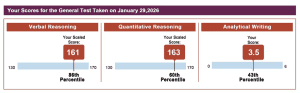
After completing your exam, you will receive your official GRE score report within 8-10 days. These scores are accessible in your ETS Account. Additionally, you can select up to four graduate or business school score recipients for free as part of your test fee. Additional score reports can be requested for a fee.
Electronic scores are transmitted to institutions twice weekly. When choosing your test date, factor in the 8-10 day score processing window and the institution’s internal processing time. This will ensure your scores arrive before application deadlines.
Understanding how to interpret your GRE scores is vital. Familiarize yourself with percentile ranks and consider whether to retake the GRE based on your target school’s average admitted student scores. The ScoreSelect option allows you to send only your best scores to schools, enhancing your application.
For more resources, visit Testhelper at https://www.testhelper.org/. They offer score analysis tools and personalized recommendations to help you decide whether to retake the GRE or proceed with your applications based on your results.
Conclusion
Achieving a strong score on the GRE General Test can open doors to advanced academic opportunities. With proper planning and preparation, you can navigate the registration process smoothly and select the testing environment that suits you best.
Remember, investing time in finding the right testing location and date is crucial for your performance. The GRE General Test is vital for your graduate, business, or law school application, and it can significantly impact your future.
Testhelper is here to support you at every stage. From finding test centers to submitting your scores, we provide tools and expert advice. Visit Testhelper today to start your GRE journey!
FAQ
What is the GRE General Test?
The GRE General Test measures verbal reasoning, quantitative reasoning, and analytical writing skills. It is a requirement for many graduate programs in the United States and other countries.
How do I choose between a test center and at-home testing?
Consider your comfort level and the environment you prefer. Test centers provide a controlled setting, while at-home testing offers convenience. Ensure you meet the technical requirements for online testing.
How often is the GRE General Test offered?
The GRE General Test is available year-round at various test centers. At-home testing is also an option, providing flexibility in scheduling.
How can I find nearby test centers?
Utilize the official ETS website to locate test centers. You can enter your zip code to see available locations and their details.
What factors should I consider when selecting a test location?
Look for convenience, accessibility, and available amenities. Proximity to your home or school can also influence your choice.
How do I check test dates and availability?
You can check test dates and availability by logging into your ETS account or visiting the GRE website. This will provide up-to-date information on upcoming test sessions.
What steps are involved in registering for the GRE?
First, create an ETS account. Then, select your test date and location, pay the registration fee, and confirm your appointment.
What identification is required on test day?
You must present a valid government-issued ID with your name, signature, and photo. Ensure that the name matches your registration details.
What are the policies on retaking the GRE?
You can retake the GRE once every 21 days, up to five times within a 12-month period. Be aware of the fees associated with retaking the test.
What should I expect on test day?
Arrive early, bring required identification, and familiarize yourself with the testing procedures. You’ll have a set amount of time to complete each section.
How can I prepare for the GRE?
Use official GRE prep materials, take practice tests, and develop a study schedule. Familiarizing yourself with the test format will help improve your performance.
How are GRE scores reported?
Scores are available approximately 10-15 days after your test date. You can view them in your ETS account and send them to schools as needed.