Dreaming of graduate school in an English-speaking country? You’re not alone. Many ambitious students worldwide share this goal. The journey requires careful planning and the right preparation.
Two important assessments stand between you and your academic dreams. The GRE measures your readiness for graduate-level coursework. It evaluates analytical, quantitative, and verbal reasoning skills.
The TOEFL demonstrates your English language proficiency. It shows universities you can succeed in academic English environments. Both exams are created by Educational Testing Services (ETS).
Most international applicants need strong scores on both assessments. Competitive programs in the US, UK, and Canada require them. Proper preparation makes a significant difference in your results.
Our team provides comprehensive support for these challenging exams. We offer personalized guidance and proven strategies. Contact us through WeChat: Essay-Kathrine, WhatsApp: +852 4455 3510, or Telegram: +1(815)824-0640.
Key Takeaways
- The GRE assesses graduate-level academic readiness through analytical, quantitative, and verbal sections
- The TOEFL measures English language proficiency for non-native speakers in academic settings
- Both exams are administered by Educational Testing Services (ETS) and required by many graduate programs
- International students often need competitive scores on both assessments for admission
- Proper preparation strategies can significantly improve your performance
- Target universities in English-speaking countries like the US, UK, and Canada typically require these exams
- Personalized guidance helps students navigate the preparation process effectively
Overview of GRE and TOEFL Exams
Graduate school applicants face two distinct but complementary evaluation systems. Understanding their formats helps students prepare effectively for success.
Key Features of the GRE
The GRE General Test measures academic readiness through three core sections. Analytical Writing requires two essays in 60 total minutes.
Verbal Reasoning includes reading comprehension and vocabulary questions. Students complete two 30-minute sections with 20 questions each.
Quantitative Reasoning tests mathematical problem-solving abilities. This section provides two 35-minute segments covering various math topics.
Highlights of the TOEFL Test
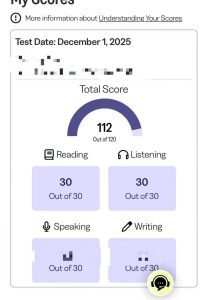
The TOEFL iBT assesses English proficiency across four skills. Reading and Listening sections evaluate academic comprehension abilities.
Speaking and Writing sections measure communication skills. Each section contributes to a total score range of 0-120 points.
An alternative Essentials version offers a shorter 1.5-hour format. Both exams include research sections that don’t affect final scores.
How Test Expert(TOEFL test、gre test) Can Boost Your Scores
Navigating the path to a high score involves a clear starting point and a tailored roadmap for improvement. Our comprehensive preparation platform is designed to provide exactly that for the GRE and TOEFL assessments.
We begin with a detailed diagnostic assessment. This establishes your baseline scores and pinpoints specific areas needing work.
From there, we build a personalized study plan. This plan adapts to your schedule and learning style, focusing on high-impact topics.
You gain access to a vast library of materials. This includes full-length mock exams that simulate real testing conditions.
Our experienced instructors, with over 15 years in the field, provide strategic guidance. They offer detailed feedback to help you understand mistakes and refine your approach.
Comprehensive Prep Courses and Study Materials
Our resources are built to develop the core skills required for success. We focus on strengthening both content knowledge and test-taking strategies.
Instant performance reports track your progress. This data-driven insight allows you to see strengths and weaknesses clearly.
The table below highlights key features of our preparation resources:
| Resource Type | Primary Benefit | Key Feature |
|---|---|---|
| Diagnostic Assessments | Establish Baseline | Identifies specific skill gaps |
| Personalized Study Plans | Efficient Learning | Adapts to your schedule and goals |
| Full-Length Practice Exams | Builds Endurance | Simulates actual exam pressure |
| Expert Instructor Feedback | Targeted Improvement | Provides strategies for difficult questions |
This structured approach, combined with consistent practice, is the most effective way for students to achieve their target scores.
Comparative Analysis: GRE vs. TOEFL
While both exams serve important roles in graduate admissions, they measure fundamentally different skills. Understanding these distinctions helps you prepare effectively for each assessment.
Exam Patterns and Scoring Formats
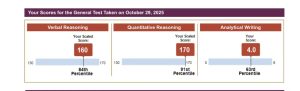
The GRE evaluates academic readiness through multiple sections. It includes verbal reasoning, quantitative reasoning, and analytical writing components.
Scoring varies significantly between the two assessments. The GRE provides separate scores for each section, while the TOEFL combines results into a single composite score.
Validity periods also differ. GRE results remain valid for five years, offering longer planning flexibility. TOEFL scores are typically valid for two years.
Difficulty Levels and Test Durations
The GRE is generally considered more challenging due to its advanced content. It tests complex reasoning skills and graduate-level vocabulary.
Test lengths show notable differences. The GRE General Test takes approximately 3 hours and 45 minutes to complete. The TOEFL iBT requires about 2 hours.
Both assessments demand strong concentration throughout multiple sections. Proper time management is essential for success.
| Feature | GRE | TOEFL |
|---|---|---|
| Primary Purpose | Academic readiness for graduate studies | English language proficiency assessment |
| Total Duration | 3 hours 45 minutes | 2 hours |
| Score Validity | 5 years | 2 years |
| Attempt Frequency | Once every 21 days | Once every 12 days |
| Approximate Cost | $205-$231 | $185-$190 |
Enhancing Your English and Analytical Skills
Developing comprehensive language and reasoning capabilities requires targeted practice across multiple skill areas. Strong english language skills form the foundation for academic success, while analytical abilities demonstrate readiness for graduate-level work.
Strengthening Reading, Listening, and Writing Abilities
Improve your reading comprehension by practicing with academic texts from various disciplines. Focus on identifying main ideas and supporting details. Build vocabulary through contextual learning.
Enhance listening skills by regularly consuming English academic content. Practice taking notes during lectures and discussions. This develops your ability to capture key information efficiently.
Develop strong writing skills through timed essay practice. Learn proper academic structure and effective transition usage. Support arguments with specific examples and maintain grammatical accuracy.
Developing Quantitative and Verbal Reasoning
Strengthen verbal reasoning by analyzing complex texts and understanding word relationships. Expand your vocabulary systematically with high-frequency academic terms.
Improve quantitative reasoning through regular practice with mathematical concepts. Review arithmetic, algebra, and geometry fundamentals. Work on interpreting data from graphs and charts.
Consistent practice across all these skills creates a solid foundation for academic success. Each student benefits from identifying weak areas and targeting them specifically.
Preparation Strategies and Contact Information
The journey to graduate school admission begins with mastering the art of efficient exam preparation. Smart study habits combined with professional guidance can significantly boost your performance.
Effective Study Tips and Resource Comparisons
Start with a diagnostic assessment to establish your baseline scores. This helps identify specific areas needing improvement for both the GRE and TOEFL assessments.
Create a structured study plan that allocates time based on your strengths and weaknesses. Consistent practice with official materials builds essential skills.
Full-length practice exams under timed conditions develop stamina and familiarity with the format. Reviewing mistakes thoroughly prevents repeating them.
| Resource Type | Primary Focus | Best Use |
|---|---|---|
| Official ETS Materials | Authentic question types | Understanding exam format |
| Diagnostic Tests | Skill gap identification | Initial assessment phase |
| Timed Practice Sessions | Pacing and endurance | Final preparation stage |
| Vocabulary Builders | Language development | Daily study routine |
Connect with Us
For personalized guidance tailored to your specific needs, reach out to our team. We provide comprehensive support throughout your preparation journey.
Contact us today: WeChat: Essay-Kathrine, WhatsApp: +852 4455 3510, Telegram: +1(815)824-0640. Our experienced consultants are ready to help you achieve your target scores.
Conclusion
Your journey toward graduate school success begins with mastering two key assessments. The GRE measures academic readiness through analytical writing, verbal, and quantitative reasoning. The TOEFL evaluates English proficiency across reading, listening, speaking, and writing skills.
Understanding these differences helps you prepare effectively. Each exam has unique formats, scoring systems, and validity periods. Many students need strong results on both for competitive programs.
Our comprehensive support system addresses these challenges directly. We provide personalized study plans and expert guidance. With dedicated effort and proper preparation, you can achieve your target scores.
Contact us today to start your preparation: WeChat: Essay-Kathrine, WhatsApp: +852 4455 3510, Telegram: +1(815)824-0640. Your dream graduate program awaits!
FAQ
What is the main difference between the GRE and the TOEFL?
The GRE is a graduate admissions exam that measures your analytical writing, verbal reasoning, and quantitative reasoning skills. The TOEFL focuses specifically on your English language proficiency in reading, listening, speaking, and writing. Essentially, the GRE tests your academic readiness, while the TOEFL assesses your English skills.
How long are GRE and TOEFL scores valid?
Both your GRE and TOEFL scores are valid for five years from your test date. This gives you plenty of time to complete your applications for graduate programs.
How long does each exam take?
The GRE takes about 3 hours and 45 minutes to complete. The TOEFL iBT is a slightly shorter exam, lasting approximately 3 hours. Both tests include a short break.
What is the score range for the GRE?
The GRE has three scored sections. Verbal Reasoning and Quantitative Reasoning each have a score range of 130 to 170. The Analytical Writing section is scored on a scale of 0 to 6.
Does the GRE have an unscored section?
Yes, the GRE General Test often includes an unidentified unscored research section. This section does not count toward your final score but is used for ETS research purposes.
How can I improve my writing skills for these exams?
For the GRE’s Analytical Writing section, practice structuring clear, logical arguments. For the TOEFL’s two writing tasks, focus on summarizing information and expressing your opinion clearly. Consistent practice and feedback are key to improving your writing abilities for both tests.