
The GRE General Test stands as a crucial milestone for ambitious students pursuing advanced education. This standardized assessment evaluates skills that graduate programs value highly in applicants. Understanding what the exam measures provides the foundation for effective preparation.
Achieving a competitive result requires more than just content knowledge. Strategic planning and disciplined practice are essential components of success. The journey begins with familiarizing yourself with the test’s structure and scoring system.
Graduate schools across the United States consider GRE results as part of their admissions process. This makes thorough preparation vital for candidates aiming to secure acceptance into their preferred programs. Proper planning can significantly impact your final outcome.
This guide offers practical strategies to maximize performance on exam day. We’ll explore techniques for each section, time management approaches, and content mastery methods. These insights will help you approach the assessment with confidence and clarity.
Key Takeaways
- The GRE assesses verbal reasoning, quantitative reasoning, and analytical writing skills
- Graduate programs use scores as one factor in admissions decisions
- Strategic preparation combines content mastery with test-taking techniques
- Understanding the exam format is crucial for effective study planning
- Time management skills directly impact performance across all sections
- Proper preparation can significantly improve your final results
- A comprehensive approach addresses both knowledge and strategy
Understanding GRE Test Day Requirements
Knowing what to expect at the testing facility can significantly reduce anxiety and improve performance. The check-in process involves specific steps that all candidates must complete before beginning the assessment.
Check-In Procedures and Identification
Arrive at your test center location at least 30 minutes before your scheduled time. This allows adequate minutes for the comprehensive check-in process. Center staff will photograph you and verify your identification documents.
Your ID must exactly match the name used during registration, excluding accents. Requirements vary by country of citizenship and testing location. Bring only valid identification and an optional mask into the testing room.
Security Policies and Personal Items Guidelines
Test security maintains fairness for all participants. You may undergo additional screening procedures during check-in. These can include emptying pockets, raising pant legs, or providing a voice sample.
The GRE General Test lasts 1 hour and 58 minutes with no scheduled breaks. Understanding this timing helps with physical and mental preparation. Review the official GRE Bulletin for complete information about all procedures.
Familiarity with these requirements ensures a smooth testing experience. Proper preparation includes knowing both content and administrative protocols.
Essential Strategies for GRE Preparation
Effective GRE preparation is a two-part endeavor: knowing the material and managing the test itself. A strategic approach addresses both content mastery and the practical skills needed for optimal performance.
Time Management and Test-Taking Techniques
Efficient time use is critical. Since all questions hold equal value, spending too long on any single one is inefficient. The key is to work quickly yet carefully.
Use the mark and review feature to flag challenging items. This allows you to return to them if time permits. Understanding various question formats prevents simple errors.
Familiarizing Yourself with GRE Content
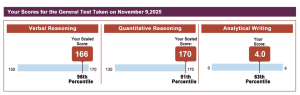
Each section evaluates distinct skills. Verbal reasoning measures analysis of written material and vocabulary relationships. Quantitative reasoning tests mathematical understanding and problem-solving.
Analytical writing assesses critical thinking and clear argument construction. Practice with official materials builds familiarity and reduces anxiety.
This foundational knowledge, combined with smart techniques, creates a powerful preparation strategy.
Proven Strategies for taking your gre
A well-structured study plan serves as the foundation for achieving significant score improvements. This approach moves beyond simple content review to build essential reasoning patterns.
Developing a Smart Study Plan
Begin your preparation by establishing a baseline through a full-length practice exam. This diagnostic test reveals current strengths and areas needing development across all sections.
Allocate four to twelve weeks for focused preparation work. This timeframe allows for pattern recognition development rather than last-minute cramming.

Research average scores for your target graduate programs to set a realistic goal. This target provides direction for your entire study program.
| Study Duration | Weekly Commitment | Primary Focus | Expected Improvement |
|---|---|---|---|
| 4-6 weeks | 15-20 hours | Test format mastery | 5-8 point increase |
| 7-9 weeks | 10-15 hours | Content weaknesses | 8-12 point increase |
| 10-12 weeks | 8-12 hours | Advanced techniques | 12+ point increase |
Effective Techniques to Improve Your Score
Focus on question approach during practice sessions rather than just final answers. This method develops stronger problem-solving skills for the actual exam.
Thorough performance review after each practice test identifies consistent error patterns. Note which question types slow your pace and which concepts need reinforcement.
Build vocabulary through academic reading while practicing calculator use strategically. Determine when mental math proves faster than digital tools.
Structured accountability through scheduled study sessions ensures consistent progress toward your target score.
Leveraging Practice Tests and Timed Drills
Mastering the GRE’s unique format requires more than just studying content; it demands simulated practice. Integrating full-length practice tests and timed drills into a study schedule builds the stamina and strategic thinking needed for success.
Benefits of Simulated Testing Conditions
Official POWERPREP practice tests offer the most authentic experience. They replicate the computer-adaptive design of the actual exam. This means the difficulty of subsequent questions in the verbal reasoning and quantitative reasoning sections adjusts based on performance.
Completing these tests under timed conditions is crucial. It helps develop effective pacing strategies for all sections. The table below compares practice methods.
| Practice Method | Primary Benefit | Limitation | Recommendation |
|---|---|---|---|
| POWERPREP Online Tests | Simulates adaptive format & interface | Limited number available | Use for final rehearsals |
| Paper-Based Tests | Good for content drilling | Does not adapt to performance | Use for initial concept practice |
| Timed Section Drills | Builds speed and endurance | Misses full-test stamina | Use weekly for pacing |
Analyzing Performance to Pinpoint Weaknesses
Reviewing results from practice tests is where real improvement happens. Analyze both correct and incorrect answers to identify patterns. Errors might stem from content gaps, misreading questions, or time pressure.
For the analytical writing section, practice planning and composing essays within the 30-minute limit. Always save a few minutes to review for errors. Remember, scores for the verbal and quantitative sections are based only on correct answers. There is no penalty for incorrect responses, so answer every question.
Tracking progress across multiple tests provides clear evidence of improvement and helps maintain motivation throughout the preparation journey.
Contact and Coaching Information
Personalized coaching offers a strategic advantage for students targeting competitive graduate programs. Expert guidance helps navigate the complex admissions landscape with confidence.
Connect via WeChat, WhatsApp, and Telegram
Professional coaching services understand specific score requirements for various graduate programs. This includes business, law, and other specialized fields. Coaches help identify target grad school programs and develop customized study plans.
Understanding how schools evaluate GRE scores in context helps set realistic goals. Personalized guidance addresses individual weaknesses in verbal reasoning, quantitative reasoning, or analytical writing. This provides targeted strategies that generic materials cannot offer.
Expert insights reveal how different graduate programs weight scores. This helps prioritize applications strategically across business administration, law, and other fields.
For direct access to personalized coaching, connect through multiple channels. Use WeChat at Essay-Kathrine, WhatsApp at +852 4455 3510, or Telegram at +1(815)824-0640.
Qualified coaching provides accountability and structured study schedules. Expert feedback on practice tests accelerates improvement and builds confidence. This support helps students understand where current scores position them for target programs.
Conclusion
The journey toward GRE excellence culminates in applying comprehensive knowledge and refined test-taking techniques. Success requires understanding the exam’s structure across all sections and developing strong reasoning skills through consistent practice.
Effective preparation spans several weeks, focusing on specific question types and time management. The analytical writing section demands clear thinking within tight constraints. Simulated testing conditions build essential stamina for the actual experience.
Dedicated implementation of these strategies determines final performance. Thorough preparation eliminates surprises, allowing candidates to demonstrate their true academic abilities. This approach maximizes potential for achieving target scores.
FAQ
What identification do I need for GRE test day?
You must present a valid, original passport as your primary identification. The name on your ID must exactly match the name used during registration for the exam.
How can I improve my time management during the exam?
Practice with timed drills that mimic actual testing conditions. Learn to quickly identify and skip the most challenging questions initially, returning to them if time allows.
What is the best way to prepare for the Analytical Writing section?
Regularly practice outlining and writing essays within the 30-minute time limit. Focus on constructing clear arguments and using specific examples to support your analysis.
Are personal items allowed in the testing center?
A> No. Personal belongings like phones, bags, and watches are prohibited. Testing centers provide secure lockers for storage. Only your ID and locker key are permitted in the exam room.
How do practice tests help with GRE preparation?
Full-length practice exams from ETS build stamina and familiarize you with the interface and question formats. Reviewing your results helps target specific areas for improvement.
What is a good study plan for the GRE?
A smart plan involves consistent, scheduled study sessions over several months. Balance your focus between Verbal Reasoning, Quantitative Reasoning, and Analytical Writing based on initial diagnostic results.